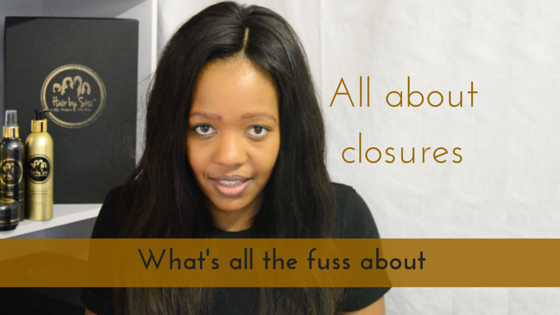
All about Closures
In the last 2 years or so, closures have become the new “it thing” in the wonderful world of hair. Closures have become extremely popular, thanks to “lace wigs” which also made it big about 5 years ago. The idea of the closure is to create a more natural looking install, that looks less wiggy and gives the appearance of a natural looking scalp. Basically, it is meant to look like the hair is growing out of your head. Yes, this can be achieved by using your natural hair, or installing your weave in such a way that it looks like a parting, but if your natural hair does not blend with the exact texture (of the weave), and if your installation does not feature the most amazing invisible part, then you are basically trying it.
Lace Base Closures
Lace closures are made with a lace foundation where hair strands are individually embedded into the tiny holes. Thay are the most popular on the market right now and come in various texture and types. Generally, lace closures come in straight, wavy and curly textures. The lace base can be made from Swiss, French, German or transparent lace etc, etc. However, the most commonly used lace for closures is Swiss lace because it is affordable, easily accessible, durable and comes in many different colours to match your scalp colour.
The lace is then cut into various sizes depending on the surface area left exposed, which mimics your parting area. The standard size for a closure is a 3”x4”.
Lace closures are relatively cheap in comparison to silk closures but do not last as long as the silk ones.
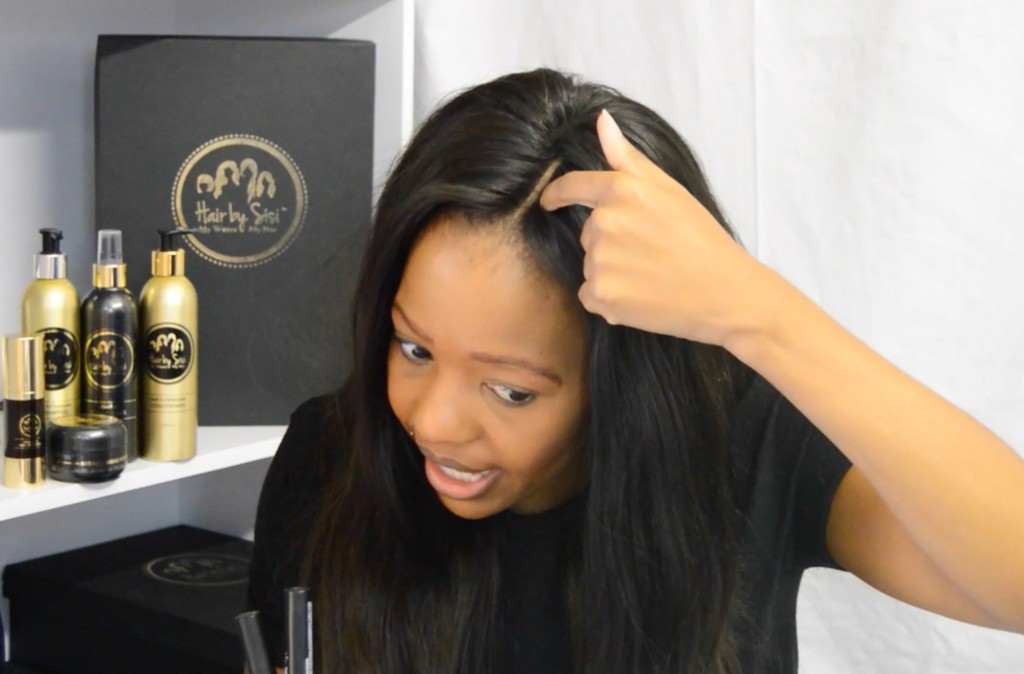
Pros: It gives a scalp like appearance when properly installed and laid. It also allows for a very flat and easy application that will make your install look very real, unlike a complete sew-in without a closure unit.
Cons: You have to do some customization to your lace closures to achieve the best and most natural looking appearance and fit. Because the hair strands are directly embedded into the lace, tiny black knots are visible where the hair and lace meet. Thus, when the closure is sewn down to your cornrows the knots are visible when placed against your skin.
Solution: By bleaching the knots or using concealer or foundation on the parting, you are able to get rid of the grid-like effect and your closure will look more scalp-like and have a more natural appearance.
Silk Base Closure
Silk base closures unlike lace closures are double layered and are not made of the lace alone. As the name suggests, the closure base is made from silk, which is place onto of the lace. The hairs are hand tied into the lace and the silk, giving you a very natural looking scalp. The hair looks like it could actually be growing out of a scalp because the silk looks very similar to the scalp. When you are wearing a lace closure, if you look closely you can see the grid lines and knots, however with a silk base closure, there are no visible knots.
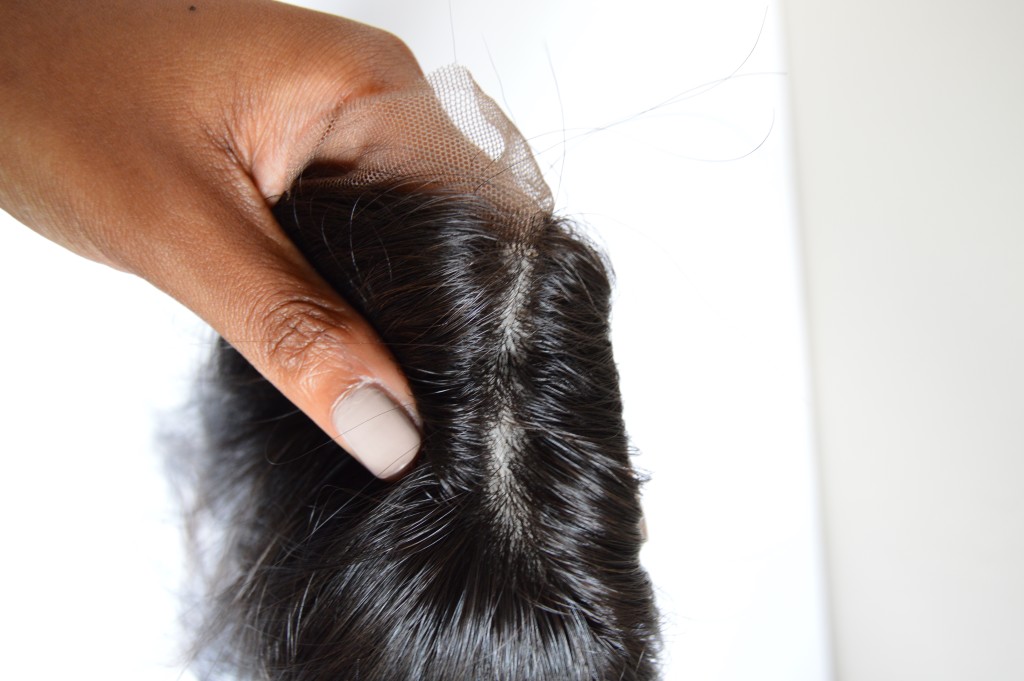
closures | Hair by Sisi | Johannesburg
Pros: Silk base closures tend to last longer and generally don’t require any bleaching because the knots are not visible and look like the scalp.
Cons: Not every closure piece will match every scalp colour. If you have a darker scalp complexion, you will need to alter and tint your silk base to match your scalp. Also, silk closures are slightly thicker than lace closures, which means you can face the challenge when trying to get it to lay super flat. Silk closure also tends to be more expensive in comparison to lace closure.
With any of these closures, it will take a bit of work to make the closure look right on you. Whether it is by plucking away at the parting, tinting lace or silk, bleaching the knots or using concealer to conceal the grinds on the lace etc, very few closures are perfect from the start.
Closures are great for people who:
1) Wear textures that are different from their natural hair and don’t want to relax or change the texture of their natural hair to match the weave.
2) People who have coloured or dyed the natural hair, and are wearing a weave that is a different colour to their natural hair.
3) People who want to protect their natural hair from the natural elements (winter months) and electronic tools (straighteners, curling wands, and other heat styling tools).
4) People who don’t want to have a “leave-out”.
5) People who want to wear their natural hair in a protective style to give their natural hair a break, or time to grow.
Closure have their benefits, however if they are not installed properly, they look worse than natural hair that does not blend with a weave. The next time you get your hair done, think of wearing a closure but proceed with caution. If you need help with making your closure look good (and any other hair needs) check out the #HairTalkswithSisi YouTube Channel for weekly hair tips and tricks.
So until next time beweavers, Happy weaving.
-Sisi